Wondering whether now is the right time to sell your Girdwood getaway? If you own a second home here, you are not selling in a typical Anchorage neighborhood. Girdwood is a small, year-round resort community with seasonal rhythms, unique buyer priorities, and practical issues that can affect both pricing and timing. This guide will help you think through what matters most before you list, from seasonality and property prep to condo paperwork and tax questions. Let’s dive in.
Girdwood Is a Distinct Market
Girdwood has a small full-time population of about 2,500 residents, but weekend traffic from Anchorage owners can add roughly 1,000 people. It also functions as a year-round resort area, with ski activity generally running from December through April and summer biking and hiking from June through September. That means your buyer pool may be influenced by both winter and summer demand, not just one peak season.
The local housing mix also helps explain why second-home sales here require a different strategy. The Municipality of Anchorage’s Girdwood housing analysis says 42% of housing units are owned by Alaska residents outside Girdwood, 11% by owners outside Alaska, and 47% by primary residents. In other words, a large share of housing is not owner-occupied full time, which makes timing, access, and presentation especially important.
Recent market snapshots point to a niche, higher-priced market where details matter. Over the three months ending May 2026, Redfin reported a median sale price of $825,000 and average days on market of 128. Around the same time, Realtor.com showed 22 homes for sale with a median listing price of $907,125 and a typical market time of 105 days, while Zillow showed an average home value of $729,925 with 9 homes in inventory as of May 31, 2026.
These numbers are measured differently, so they should not be treated as direct comparisons. Still, together they suggest a clear takeaway: in Girdwood, thoughtful pricing and strong presentation can make a real difference.
Timing Your Sale Around the Home
One of the most common questions second-home owners ask is whether winter or summer is better for listing. In Girdwood, there is no one-size-fits-all answer. The better season is often the one that best highlights your property’s strongest features and allows you to manage access with the least friction.
If your home shines because of ski convenience, winter may tell the story better. Buyers looking for a mountain retreat may respond more strongly when they can see snow conditions, proximity to Alyeska, gear storage, and how the home handles winter living. A ski-ready home often feels most compelling when buyers can picture using it right away.
If your property is more about mountain views, trail access, decks, natural light, or year-round livability, summer may be stronger. Clear weather, long daylight hours, and easier access can help buyers appreciate the setting and layout. This can be especially useful if the home has outdoor features or broad views that are harder to capture in darker winter conditions.
For many sellers, the decision comes down to logistics as much as marketing. Girdwood sees regular weekend traffic from Anchorage, so showing windows may work best when you can offer flexible weekend availability or shoulder-season access. If the property is occupied or managed remotely, advance planning matters even more.
What Buyers Often Notice First
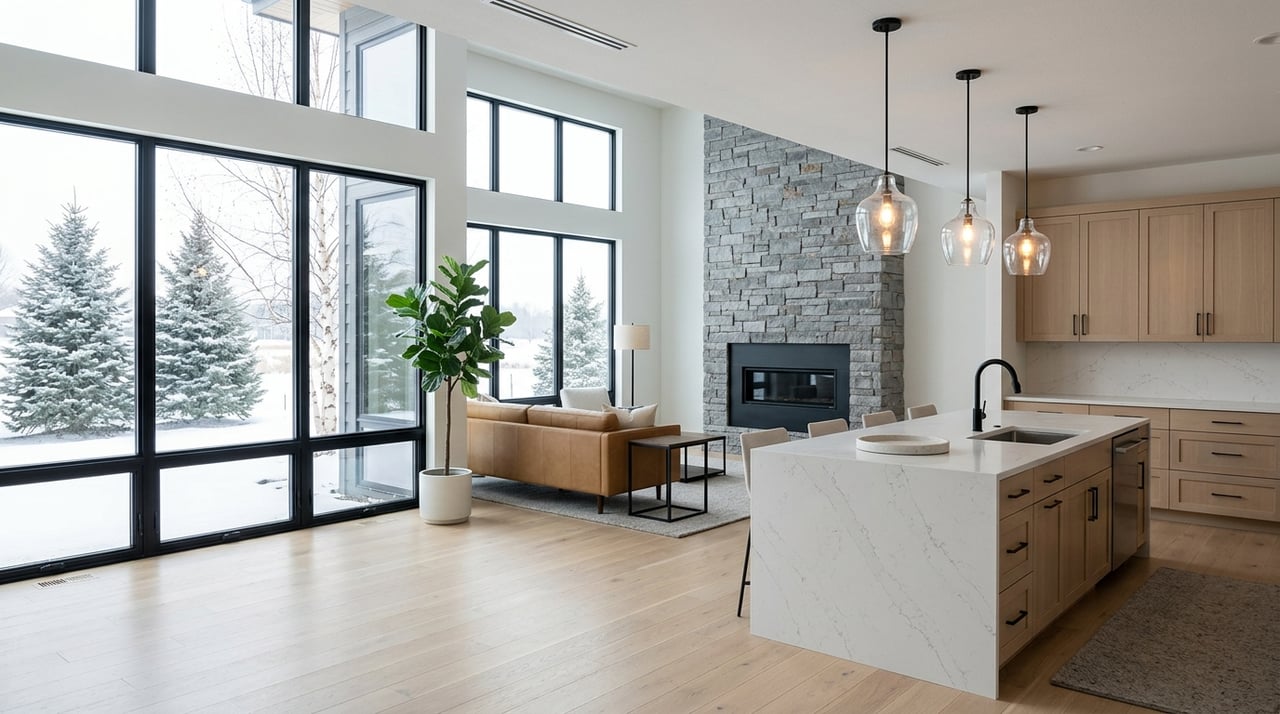
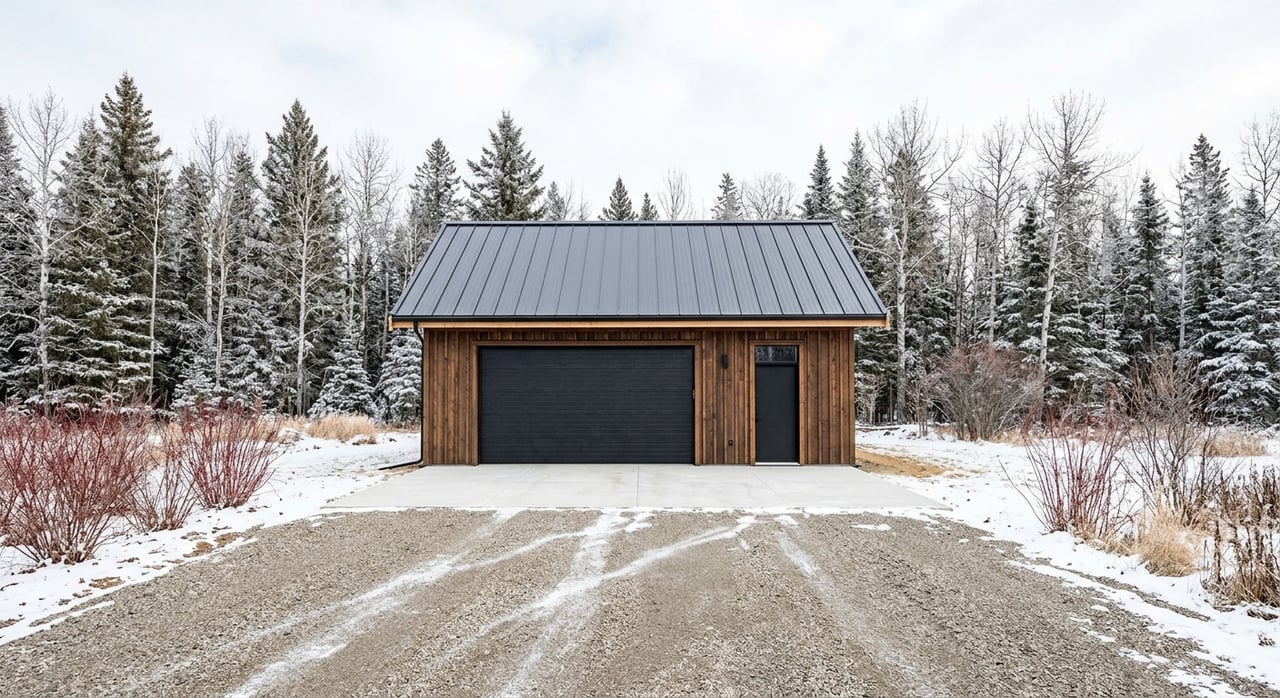
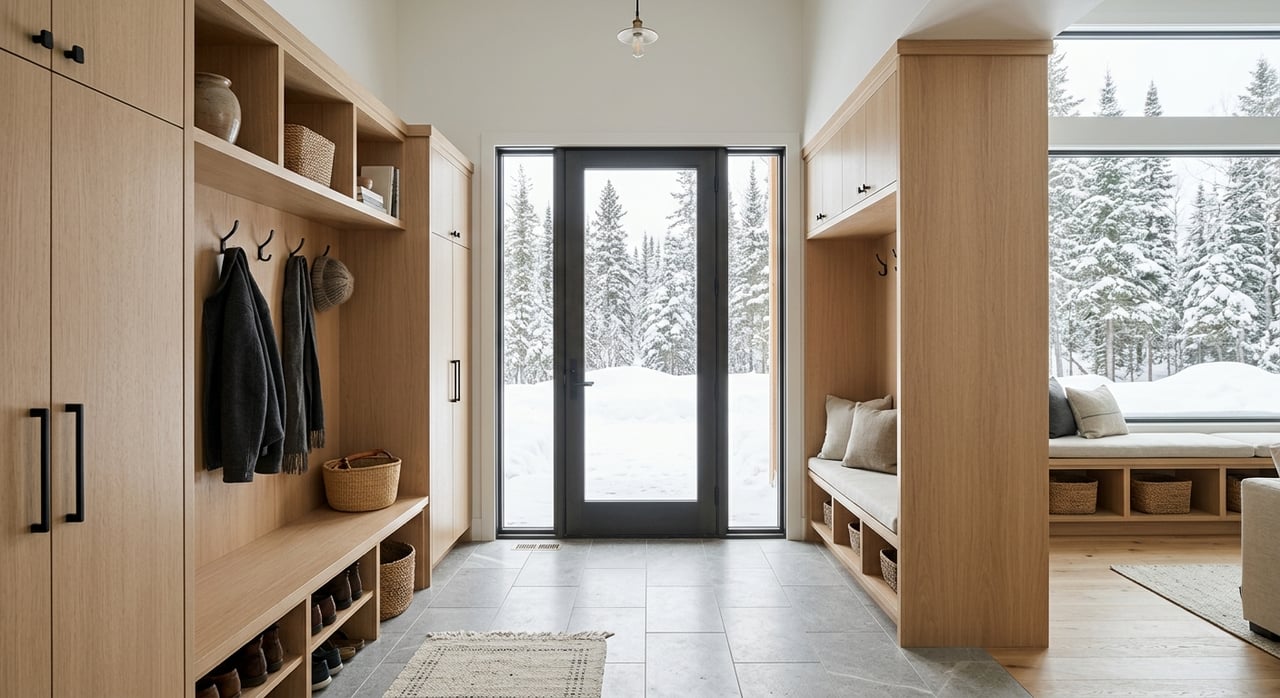
In Girdwood, buyers often respond to a mix of lifestyle appeal and practical function. Current listings and recent sales repeatedly highlight mountain views, ski access or proximity to Alyeska, large windows, heated or oversized garages, ski-ready mudrooms or arctic entries, fireplaces, sauna or steam-shower features, hot tubs, and extra storage.
For detached homes and cabins, the strongest story is often simple: access, utility, and views. Buyers appear to value homes that make mountain living easier, especially when there is room for gear, vehicles, and wet winter layers. If your property offers walkability to the mountain, usable storage, or a layout that supports year-round use, those points should be easy to see.
For condos, the story tends to be more about convenience and clarity. Ski-in or near-lift location, HOA details, parking arrangements, and whether the unit feels turnkey can shape buyer interest quickly. When key details are easy to understand, buyers can move into serious consideration faster.
This is why presentation should go beyond décor. Your sale strategy should make it obvious how the property works for real life in Girdwood, not just how it looks in photos.
Prepare a Second Home for Showings
A second home can photograph beautifully and still raise concerns in person if maintenance has slipped between visits. Girdwood has a rainforest climate with year-round precipitation and a long wet season from August through February. In a vacant or lightly used property, moisture, drainage, and winterization issues can become noticeable fast.
Before listing, it is smart to check the basics that buyers are likely to notice. Focus on roofing, gutters, grading, crawlspaces or basements, plumbing freeze protection, and any stale-air or dampness issues. A home that feels dry, cared for, and ready to use will generally inspire more confidence than one that feels seasonally occupied.
A deep clean also matters more than many owners expect. Personal gear, extra supplies, and off-season storage can make a second home feel crowded or under-maintained. Clearing out excess items helps the property feel brighter, more spacious, and easier for buyers to imagine using themselves.
If you are selling remotely, create a prep plan before photos are scheduled. That may include maintenance vendors, cleaners, a property manager, or local help to keep the home show-ready. In a market like Girdwood, consistency matters because opportunities may come in bursts around weekends and seasonal demand.
Condo Sellers Should Gather Documents Early
If you own a condo, buyer questions often begin before they ever step inside. Current Girdwood condo listings prominently disclose HOA fees, parking type, and access details. That suggests buyers are paying close attention to the practical side of ownership, not just location and finishes.
Before listing, gather your HOA documents, dues information, parking rules, and any rental restrictions. Having this material ready can shorten the due-diligence cycle and reduce back-and-forth once you receive an offer. It also helps buyers feel that the transaction is organized and transparent from the start.
Access planning is important too. One occupied condo listing in Girdwood requires 24-hour notice and property-manager access, which shows how quickly scheduling can become a factor. If your unit is occupied, rented, or professionally managed, set expectations early so showings do not become a barrier.
Rental History Can Affect Your Sale
Many second homes in Girdwood have at least some rental history, whether occasional or more regular. If your property has ever been rented, your preparation should include more than cleaning and photos. You should also gather rental logs, receipts, and depreciation records before the listing goes live.
According to IRS guidance, personal-use days and rental-use days can affect how income and expenses are reported. Rental depreciation can also affect gain calculations later when you sell. Even if the home mostly felt like a personal retreat, its tax treatment may be more complex if it also generated rental income.
This is one of the biggest reasons not to wait until you are under contract to start sorting paperwork. The sooner you organize records, the easier it is to answer buyer questions, coordinate with your tax professional, and move toward closing with fewer surprises.
Tax Questions Are Best Handled Before Listing
For many second-home owners, taxes are the most important issue to clarify before selling. The IRS main-home exclusion can shelter up to $250,000 of gain, or $500,000 for married taxpayers filing jointly, but only when ownership and use tests are met. A true second home may not qualify under the simple main-home exclusion path.
If the property was also rented, the picture can become more complicated. Prior rental depreciation can reduce the excludable gain or create recapture issues. That is why a CPA or tax attorney is often an important part of the pre-listing process for second-home sellers.
Alaska does not levy a personal income tax or a state sales tax. At the local level, Anchorage assesses and collects property taxes and values property at full and true value through its Property Appraisal Division. For most Girdwood owners, that means your key early conversations should involve a local real estate advisor for pricing and strategy, plus a tax professional for gain, depreciation, and reporting questions.
It is also helpful to know that a sale can still be reportable on Form 1099-S. That is another reason to coordinate your tax planning before the home goes on the market, especially if the ownership history or rental use is anything other than straightforward.
Build a Selling Plan Around Access and Story
A strong Girdwood sale is not just about putting a home online and waiting. It is about identifying the lifestyle your property offers and supporting that story with practical details. Buyers here often want to know both how the home feels and how it functions.
That means asking clear questions before you list. Does your home sell best as a ski-season retreat, a summer basecamp, or a year-round mountain property? Are the garage, mudroom, sauna, views, or storage areas central to the story? Is there anything about occupancy, HOA rules, parking, or access that should be explained early?
When those answers are clear, pricing, photography, scheduling, and marketing become much more effective. In a market where inventory can be limited and days on market can stretch, a well-prepared listing can stand out for the right reasons.
If you are thinking about selling your Girdwood second home, a local strategy matters. The team at Mehner Weiser Real Estate Group can help you evaluate timing, presentation, and next steps with the kind of grounded market insight that Girdwood sellers need.
FAQs
When is the best time to sell a second home in Girdwood?
- The best time is usually the season when your property shows its strengths most clearly and when you can manage access most easily, since Girdwood has both winter ski demand and summer trail demand.
What features matter most to Girdwood buyers?
- Buyers often focus on mountain views, ski or trail access, large windows, garages, gear storage, mudrooms or arctic entries, fireplaces, sauna-style amenities, and clear condo details like HOA dues and parking.
What should condo owners prepare before listing in Girdwood?
- Condo sellers should gather HOA documents, dues information, parking details, access instructions, and any rental restrictions before listing.
Why do tax questions matter when selling a Girdwood second home?
- A second home may not qualify for the main-home exclusion, and any rental history or depreciation can affect gain calculations and tax reporting.
What maintenance issues should second-home owners check before showings in Girdwood?
- Owners should review roofing, gutters, grading, crawlspaces or basements, plumbing freeze protection, and any moisture or stale-air concerns, since Girdwood’s wet climate can expose deferred maintenance quickly.