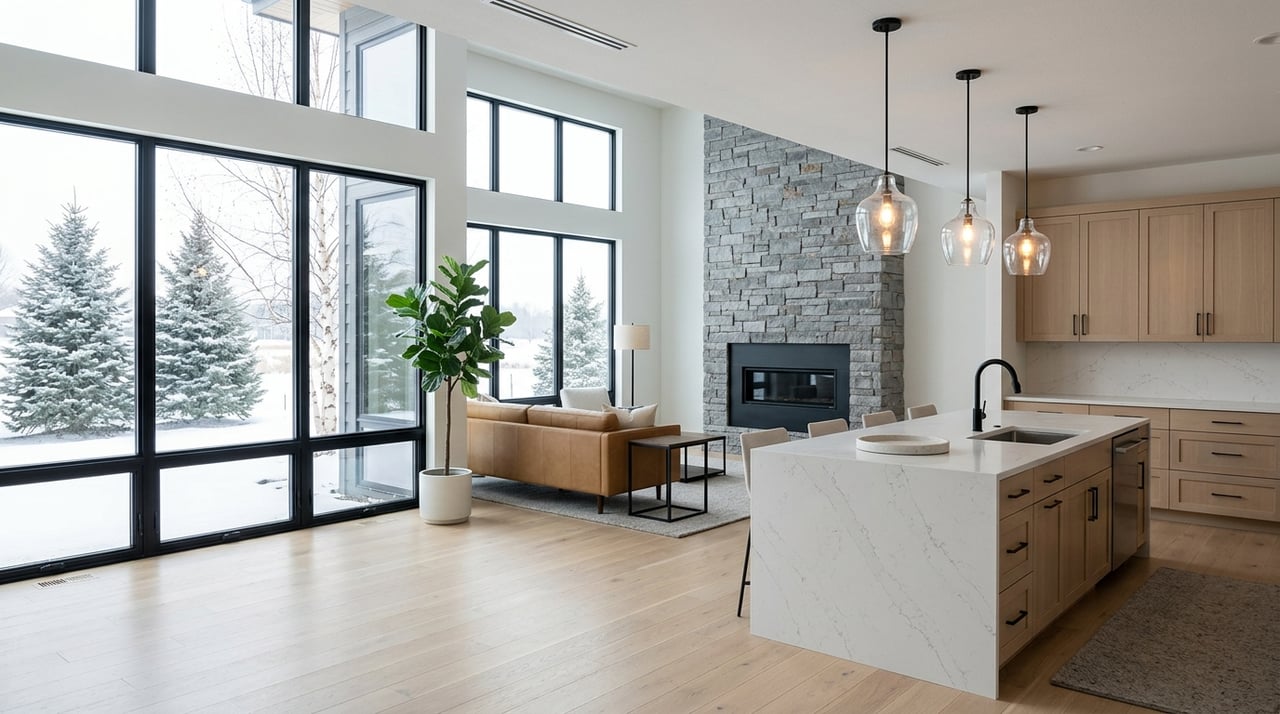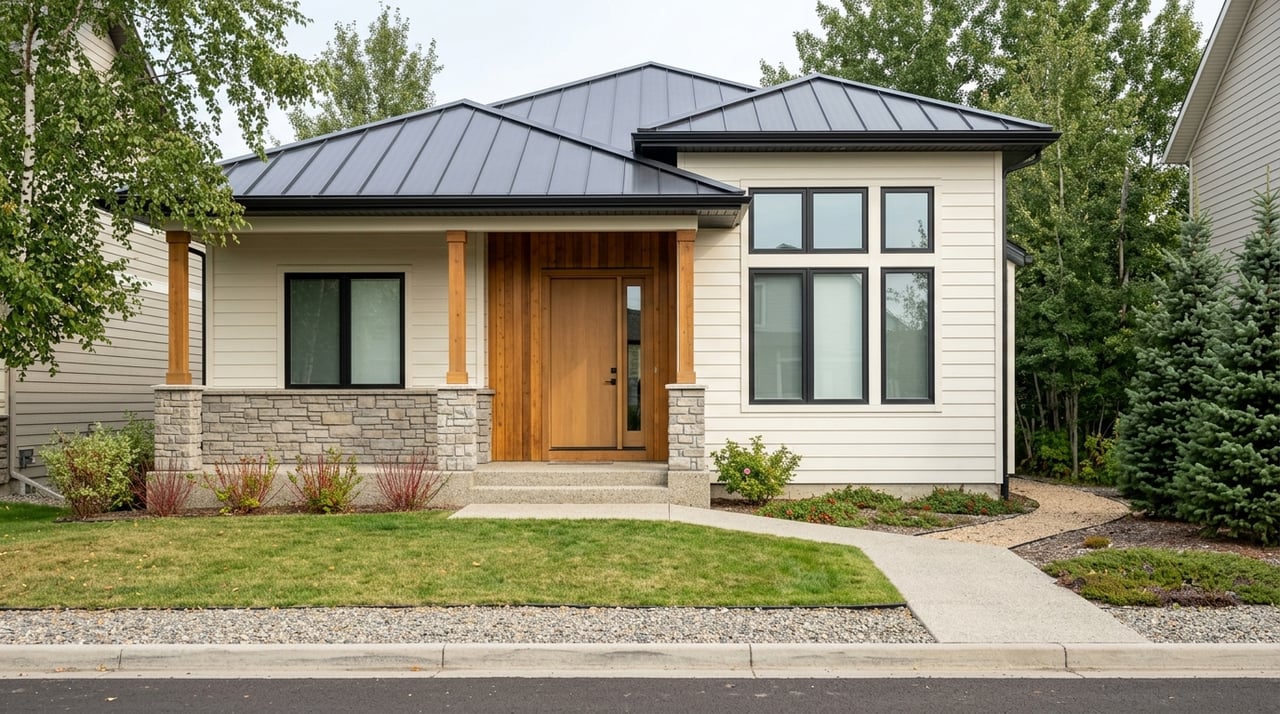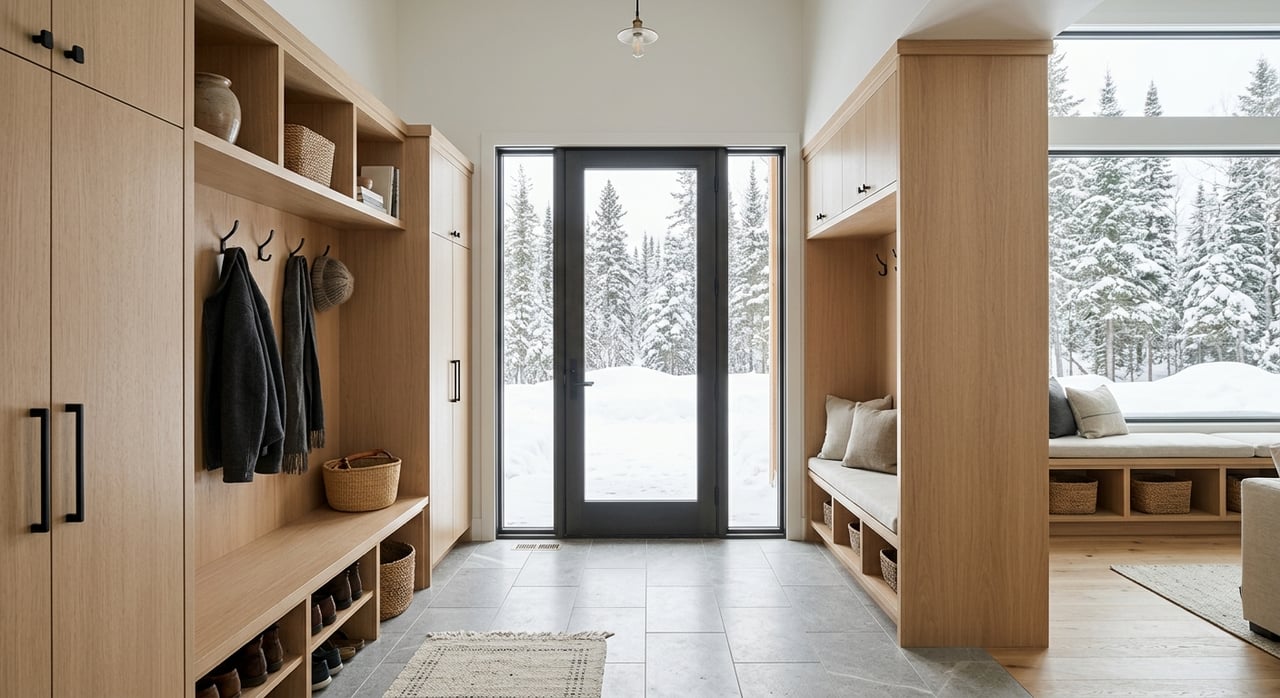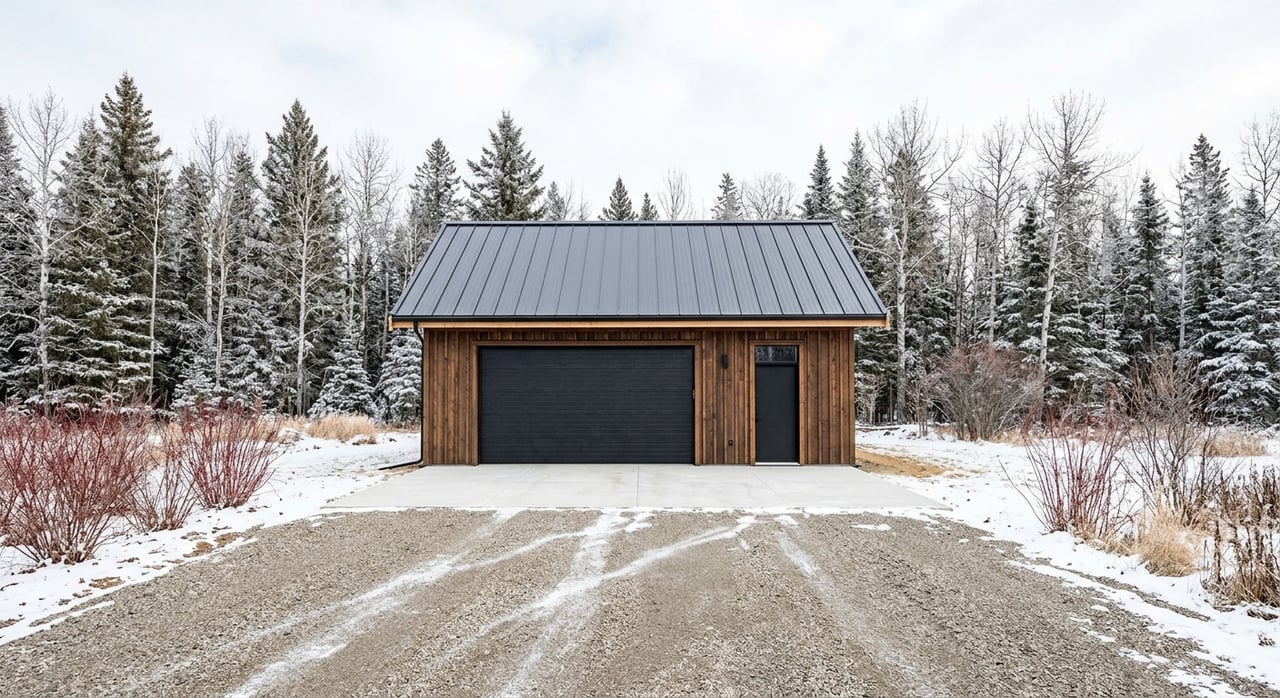
Selling acreage in Chugiak is not the same as selling a standard in-town home. Buyers looking at a hobby property usually want more than square footage and bedroom count. They want to understand how the land works, what the outbuildings can legally support, and whether the property will function well through every season. If you are getting ready to sell, a little upfront planning can help you present the property clearly and avoid questions later. Let’s dive in.
Why Chugiak acreage sales need a different approach
Chugiak is part of the Municipality of Anchorage, but the Chugiak-Eagle River area is treated as its own planning area with distinct zoning districts and development standards. The municipality also describes the area as rural in character, with roads in some districts that are typically narrower, two-lane, and designed with shoulders and ditch drainage rather than curbs or sidewalks.
That local setup affects how buyers look at your property. On an acreage or hobby property, the conversation often centers on usable land, access, legal use, and supporting improvements instead of the home alone. In other words, buyers want to know not just what is there, but how it can be used.
Start with the land itself
Acreage should feel intentional when a buyer arrives. If open areas are overgrown or storage zones spill into visible parts of the property, it can be harder for buyers to picture how the land functions day to day.
Before listing, focus on the areas buyers will notice first. That usually includes mowing or brushing visible ground, cleaning up unused materials, defining parking areas, and making drive routes easy to follow. Even simple cleanup can help buyers understand where vehicles, equipment, trailers, or animals may have been accommodated.
If there are old tanks or other materials that could raise environmental questions, it is wise to address them early. Alaska DEC’s real estate guidance makes it sensible to remove or document legacy items that may lead buyers to wonder about contamination.
Give extra attention to access
In Chugiak, access matters more than many sellers expect. Because the area’s road standards are rural by design, buyers often look closely at driveway condition, snow storage, turnarounds, and whether larger vehicles or trailers can move around the property easily.
This is especially important if your property appeals to buyers who want space for equipment, gardening, storage, or animal-related use. A long driveway, a narrow gate, or a poorly defined parking area can become a bigger issue here than it might on a smaller suburban lot.
As you prepare to sell, consider these practical access questions:
- Is the driveway easy to enter and exit?
- Is there enough room for guest parking?
- Can trailers or service vehicles turn around comfortably?
- Are snow storage areas obvious and workable?
- Do access points to outbuildings feel clear and usable?
If the answer to any of these is no, small improvements may help the property show better.
Present outbuildings by function
On a hobby property, barns, sheds, greenhouses, fenced runs, workshops, and similar structures often play a major role in buyer interest. In Chugiak, those features should be presented as more than nice extras. They are often regulated land-use features, and buyers will want to know what they are and how they fit the property.
That means your marketing should describe outbuildings by their actual use. A detached structure may serve as storage, a workshop, an animal shelter, a greenhouse, or an accessory dwelling unit. Clear descriptions and strong photos help buyers understand the setup before they ever visit.
Just as important, avoid treating any structure as a value-add until its status has been confirmed. If the property includes an ADU or animal facilities, local standards may apply to size, setbacks, driveway rules, waste management, licensing, or access.
Verify zoning and legal use early
One of the best things you can do before listing is confirm how the property fits current zoning and planning records. Chugiak-Eagle River zoning allows accessory uses such as hobby farms and large domestic animal facilities in many districts, but that does not mean every improvement on every property is automatically compliant.
This step matters because buyers may ask direct questions such as:
- Can this outbuilding be used for animals?
- Is the ADU legal?
- Are there restrictions on setbacks or access?
- Is this feature permitted as it exists today?
Anchorage property records may reflect property characteristics as of January 1 for the current tax year, which means later changes may not appear right away. For that reason, zoning verification, planning information, and permit history should be checked early instead of assumed from older records or tax data.
Gather your acreage paperwork
A strong file can make your property easier to market and easier for buyers to understand. For acreage, documentation often carries more weight because land features, access routes, and improvements are not always obvious from a quick showing.
Start by gathering the records that help define the parcel. According to Alaska DNR, parcels are defined by survey monuments and recorded survey plats, and brushed areas or trails do not establish boundaries.
Useful documents to gather include:
- Current survey or plat
- Recorded easements
- Plat notes
- Restriction language
- Setback information, if available
- Permit records for major improvements
- Planning or zoning verification
Having these materials ready can reduce confusion and support cleaner conversations with buyers.
Organize well and septic information
For many Chugiak acreage properties, private systems are a major part of buyer due diligence. If your property has a private well or septic system, collect as much documentation as you can before marketing begins.
Alaska DEC notes that there is no state requirement to sample a private well, but it recommends considering arsenic and nitrate testing. DEC also notes that water-well drilling logs should be submitted to DNR, and missing logs can create future real estate difficulties.
For septic systems, DEC says installations require soil evaluation and construction documentation, and that properly maintained systems can last 20 years or more. If you have installation records, maintenance records, pumping history, or supporting documentation, keep them together in one place.
Prepare for Alaska disclosure requirements
Disclosure is a key step in any residential sale, and it is especially important when the property includes acreage, outbuildings, private systems, or environmental questions. In Alaska, the seller must provide a completed disclosure form before the buyer makes a written offer.
The form must be completed in good faith. If information changes, the seller must deliver an amendment. While the form does not require a public-record search or professional inspection, you still need to disclose known defects and conditions.
For Chugiak properties, the disclosure packet also includes buyer awareness about nearby agricultural facilities or operations and possible effects such as odors, dust, noise, insects, rodents, and similar inconveniences. That is relevant context in a rural setting and should not come as a surprise late in the process.
Address contamination concerns before listing
If there is any reason to suspect contamination, handle that issue early. This could involve old fuel tanks, dumping areas, or other legacy conditions that may raise questions during a sale.
Alaska DEC advises checking the contaminated-sites database and reviewing state disclosure materials when contamination is known or suspected. DEC also states that environmental hazards must be disclosed during the sale of residential property.
Even if the issue turns out to be minor, early review can help you avoid uncertainty during negotiations. Buyers tend to respond better when concerns are documented and addressed than when they surface unexpectedly.
Market the property around real use
When it is time to list, the strongest marketing usually answers the practical questions buyers already have. On a Chugiak hobby property, that means showing how the land supports everyday use, not just highlighting acreage as a number.
Strong marketing often focuses on:
- How much of the land feels usable
- How the driveway and access work in all seasons
- What the outbuildings are designed for
- Whether there is room for gardens, equipment, or animals
- What records are available for well, septic, access, and improvements
This kind of clarity helps separate a hobby property from a standard suburban listing. It also helps buyers understand value in a way that feels grounded and credible.
Why local guidance matters
With acreage, the details can make or break buyer confidence. A shed may look useful, but its value in the transaction depends on whether it fits the property’s legal and practical framework. A second dwelling may sound like a major asset, but only if its status is clear.
That is why local preparation matters so much in Chugiak. When you verify zoning, organize records, clean up the land, and present the property around function, you create a stronger story for buyers and a smoother path to closing.
If you are preparing to sell acreage or a hobby property in Chugiak, the right strategy starts with clear information and thoughtful presentation. The team at Mehner Weiser Real Estate Group brings local market knowledge, detailed listing preparation, and full-service seller representation to help you position your property with confidence.
FAQs
What makes selling acreage in Chugiak different from selling a standard home?
- Acreage sales in Chugiak often depend more on usable land, access, outbuildings, private systems, and legal land use than on the house alone.
What records should you gather before listing a hobby property in Chugiak?
- Helpful records include a current survey or plat, easements, plat notes, restriction language, permit history, zoning information, and documentation for wells and septic systems.
Why should you verify outbuildings before marketing a Chugiak property?
- Outbuildings such as barns, workshops, greenhouses, animal shelters, or ADUs may be subject to local rules, so their legal status should be confirmed before they are promoted as value-added features.
What well and septic information matters when selling Chugiak acreage?
- Buyers often want well logs, water testing information, septic installation records, soil evaluation documents, and maintenance history when those records are available.
When must an Alaska seller provide a residential disclosure form?
- In Alaska, the seller must provide a completed disclosure form before the buyer makes a written offer, and the seller must amend it if information changes.
How should you market a Chugiak hobby property to buyers?
- The most effective marketing explains how the land functions, how access works, what the outbuildings support, and what documentation is available for the property’s key features.