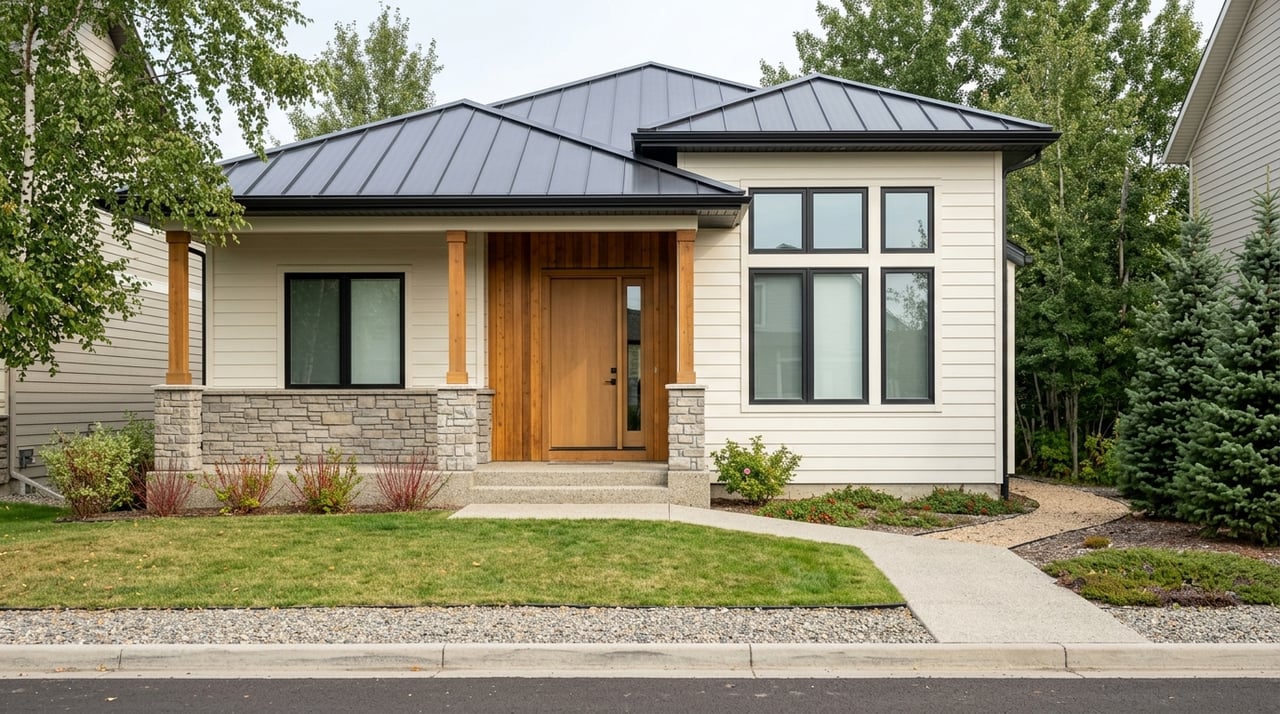
What do you get when you want more breathing room, easy access to the outdoors, and a practical connection to Anchorage? For many buyers, Eagle River stands out because it offers a quieter daily pace without feeling cut off. If you are wondering what everyday life really looks like here, this guide will walk you through the setting, housing patterns, recreation, and commute so you can picture how Eagle River may fit your goals. Let’s dive in.
Why Eagle River Feels Different
Eagle River sits northeast of Anchorage between Joint Base Elmendorf-Richardson and Chugach State Park, and it is part of the Municipality of Anchorage. That location shapes a lifestyle that feels more suburban and outdoors-oriented than urban. You are close to Anchorage, but your day-to-day environment can feel more relaxed and neighborhood-based.
One reason people describe Eagle River as having a small-town feel is that many routine needs are centered close to home. Municipal planning documents point to the commercial corridor around Old Glenn Highway and the Eagle River Transit Center as the main hub for shopping, restaurants, and services. In practical terms, that means many errands can stay local.
Daily Life in Eagle River
Everyday life here often revolves around a simple mix of home, local errands, recreation, and commuting as needed. Instead of a dense city pattern, Eagle River supports a more car-oriented routine with neighborhood amenities spread across the area. For many residents, that tradeoff is part of the appeal.
You can see that community infrastructure is built around practical daily use. The Chugiak-Eagle River Library is located in Eagle River Town Center, and the local parks system maintains recreation facilities and meeting spaces. These kinds of places help support a steady community rhythm beyond just housing and shopping.
Local Services and Gathering Places
The Chugiak-Eagle River Library is a major local amenity. According to the Municipality of Anchorage, the library opened in 2009, spans 18,000 square feet, and includes separate children’s and teen areas, group study rooms, and a large reading area. The 2024 capital budget reports more than 80,000 visits and over 160,000 items circulated each year.
Other civic spaces also play an important role in daily life. The Chugiak Eagle River Senior Center is described in the municipal budget as a 100,000-square-foot facility that provides meals, transportation, adult day services, and other support programs. Together, these facilities show that Eagle River offers more than scenic surroundings. It also has established community anchors.
Housing Patterns in Eagle River
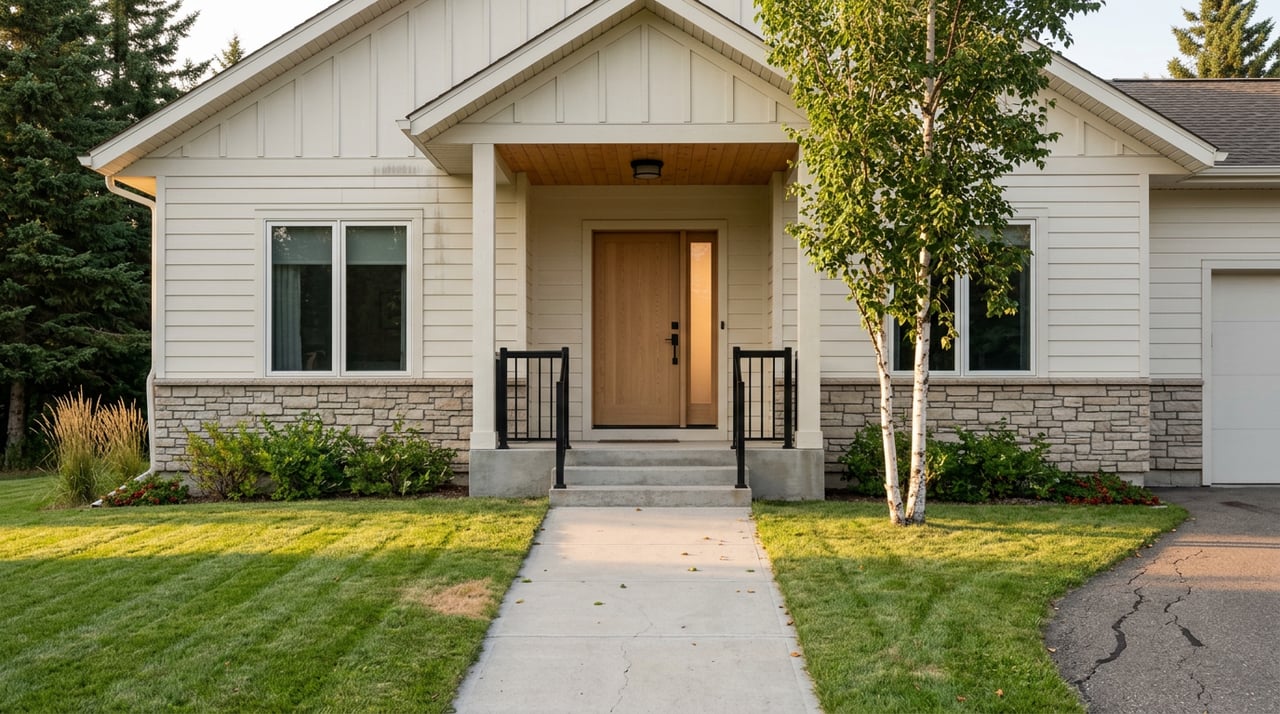
If you are thinking about buying in Eagle River, it helps to understand how the housing mix is laid out. The Chugiak-Eagle River comprehensive plan describes the area as a predominantly single-family market. Large-lot detached homes in Eagle River Valley, half-acre single-family neighborhoods, and detached subdivisions make up much of the area’s traditional pattern.
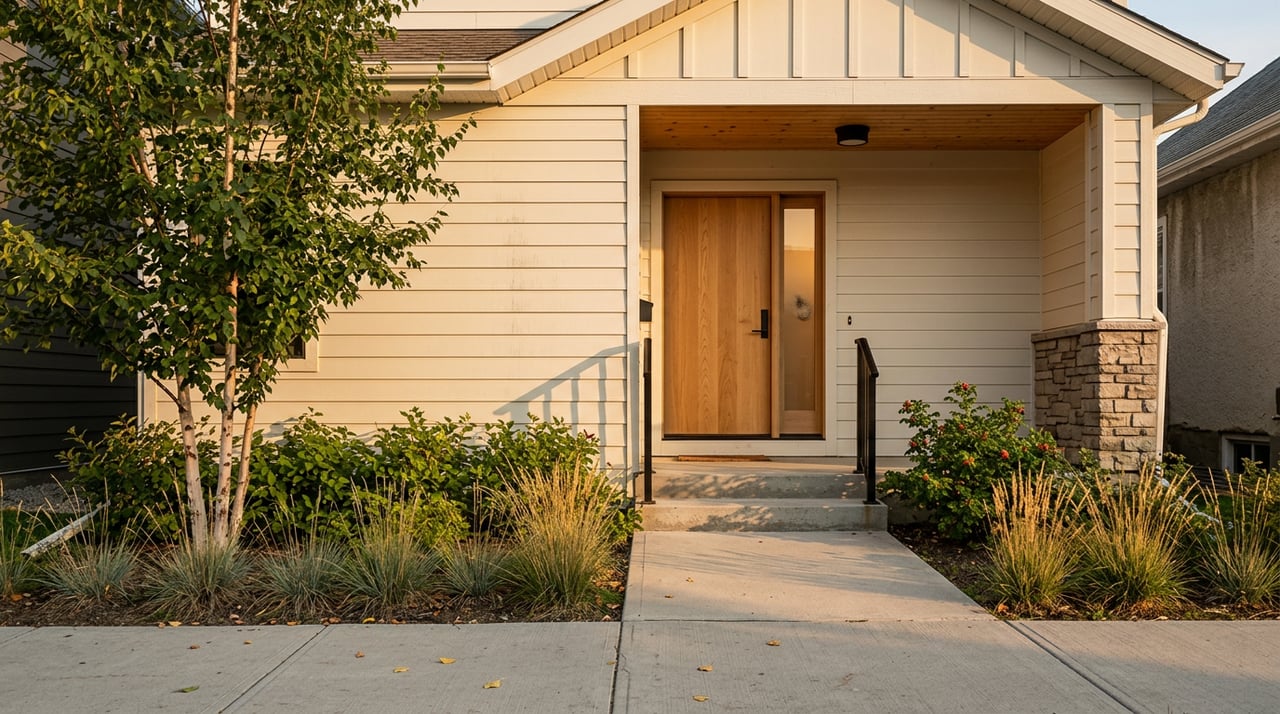
That does not mean every home follows the same format. Current zoning still allows for a broader range of housing, including single-family, two-family, mixed residential, and multifamily districts. Some areas near downtown Eagle River and other service-supported locations may offer attached homes, townhouses, or denser residential options.
What Buyers Can Expect
If you want more land or a detached home, you will likely find more of those options outside the core. If you prefer a home closer to shops, services, or central Eagle River, you may see a somewhat broader mix of housing types. This pattern follows both the community plan and the zoning framework in place today.
For buyers relocating from a denser area, Eagle River may feel more spacious and spread out. For sellers, this housing pattern helps explain why location within Eagle River can shape buyer interest in different ways. Proximity to the town core, access routes, and outdoor amenities all help influence how buyers experience a property.
Outdoor Access Shapes the Lifestyle
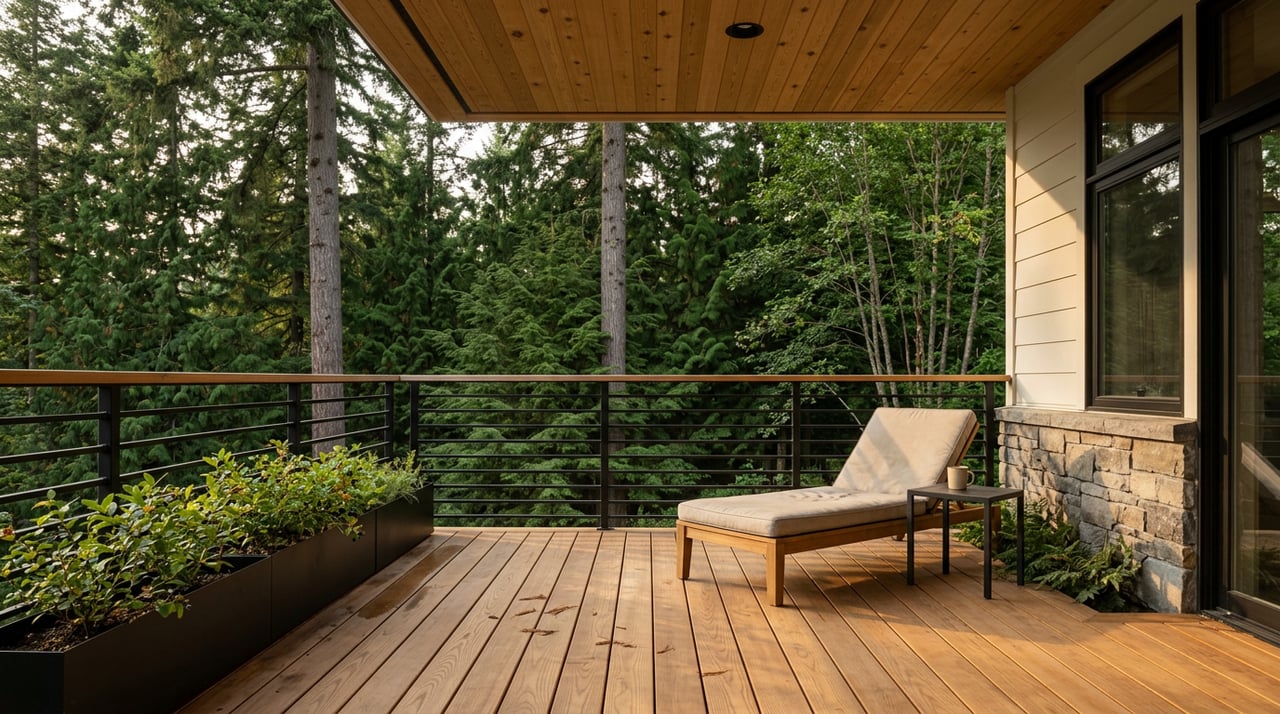
One of Eagle River’s biggest lifestyle advantages is how easily outdoor recreation fits into ordinary life. The Municipality of Anchorage notes that residents can access Chugach State Park and its trails from Eagle River and Chugiak. That kind of trail access is unusual for a suburban setting and is a major part of the area’s identity.
Anchorage also maintains an extensive trail network, with Eagle River area trails listed separately for convenience. The local system supports walking, biking, skiing, and winter grooming. If you want a place where getting outside can be part of your regular routine, Eagle River offers that in a very real way.
Parks and Recreation Options
Eagle River Town Square Park supports low-key, everyday recreation. It includes paved bike and walking trails, a pavilion, picnic space, play equipment, and a winter ice rink. It is the kind of amenity that can make a normal afternoon or weekend feel easy and active without needing a long drive.
Beach Lake Park Chalet adds more recreation opportunities, including groomed trails and cross-country ski trails. The Harry J McDonald Memorial Center also expands what is available close to home with an indoor facility, ice arena, jogging track, and meeting rooms. These facilities give residents year-round options for staying active.
The Eagle River Nature Center
For many people, the Eagle River Nature Center is one of the area’s most distinctive features. Located at mile 12 of Eagle River Road, it offers trail access, cabin and yurt rentals, nature programs, and guided hikes. This gives you a direct connection to the larger Chugach landscape without needing to plan a major trip.
The Nature Center trail guide includes routes such as Crow Pass Trail, Rodak Nature Loop, Albert Loop, and Dew Mound Trail. State information also notes common bear and moose sightings, and it says Albert Loop is typically closed due to bear activity between August and November. That is a good reminder that Eagle River’s outdoor lifestyle is closely tied to Alaska’s natural setting.
Getting Around From Eagle River
For many buyers, one of the biggest questions is how Eagle River connects to Anchorage. The answer starts with the Glenn Highway. Municipal sources note that direct highway access is one of the reasons Eagle River works well for people who want a quieter home base while still needing city access for work, appointments, or specialized services.
The 2025 coordinated transit plan says residents living west of the Old Glenn corridor benefit from reasonable commute times into downtown Anchorage because of those direct highway connections. At the same time, transit access outside the core is more limited. That helps explain why daily life in Eagle River often feels car-oriented.
Transit and Commuting
People Mover Route 92 is the main commuter transit link between Downtown Transit Center and Eagle River Transit Center by way of the Glenn Highway. The 2025 report card lists the route at about 17 miles. It reports average speeds of 25.92 miles per hour by bus compared with 37.64 miles per hour by car, with a travel time ratio of 1.45.
For you, the practical takeaway is simple. If you need to get into Anchorage regularly, Eagle River is connected enough to make that realistic. If you want most of your everyday routine to happen closer to home, the local commercial corridor, parks, and civic amenities help support that too.
Who Eagle River May Appeal To
Eagle River can be a strong fit if you want a neighborhood-based lifestyle with outdoor access built into the setting. You may appreciate it if you value detached homes, more space, and a less urban feel while still wanting Anchorage within reach. It can also appeal to buyers who want local services nearby but do not need to be in the middle of the city every day.
For sellers, these lifestyle patterns matter because they help shape how buyers see the area. Buyers are often looking not just at square footage, but at the daily experience a home supports. In Eagle River, that often means balancing room to spread out, nearby amenities, and practical access to Anchorage.
Why Local Guidance Matters
Eagle River has a clear identity, but it is not one-size-fits-all. Housing types, lot sizes, proximity to the core, and access to trails or commute routes can vary from one part of the area to another. That is why neighborhood-level guidance matters when you are deciding where to buy or how to position a home for sale.
A local, relationship-driven real estate team can help you connect the facts on paper with the lifestyle you actually want. Whether you are relocating, moving up, downsizing, or planning a sale, it helps to work with professionals who understand how Eagle River fits into the larger Anchorage-area market.
If you are considering a move to Eagle River or preparing to sell in the area, Mehner Weiser Real Estate Group can help you navigate the market with local insight, clear communication, and full-service residential support.
FAQs
What is everyday life like in Eagle River, Alaska?
- Everyday life in Eagle River is often described as quieter and more neighborhood-based than urban Anchorage, with local shopping and services around Old Glenn Highway, strong park and trail access, and practical highway connections into Anchorage.
What types of homes are common in Eagle River?
- Municipal planning documents describe Eagle River as predominantly single-family, with large-lot detached homes, half-acre neighborhoods, and detached subdivisions making up much of the area, plus some attached and higher-density options near the core.
How close is Eagle River to Anchorage?
- Eagle River is part of the Municipality of Anchorage and has direct access to the city by way of the Glenn Highway, which helps make commuting and city access practical for many residents.
What recreation options are available in Eagle River?
- Eagle River offers access to local parks, paved walking and bike trails, cross-country ski trails, an ice rink, indoor recreation facilities, and trail connections into Chugach State Park through places like the Eagle River Nature Center.
Is Eagle River a good fit if you want outdoor access?
- Eagle River is well suited for people who want regular outdoor access because the area connects to local trails and Chugach State Park, and amenities like the Eagle River Nature Center make hiking and nature activities part of everyday life.
Does Eagle River have public transit to Anchorage?
- Yes, People Mover Route 92 provides commuter express service between Eagle River Transit Center and Downtown Anchorage, though municipal planning documents note that transit access is more limited outside the core areas of Eagle River.