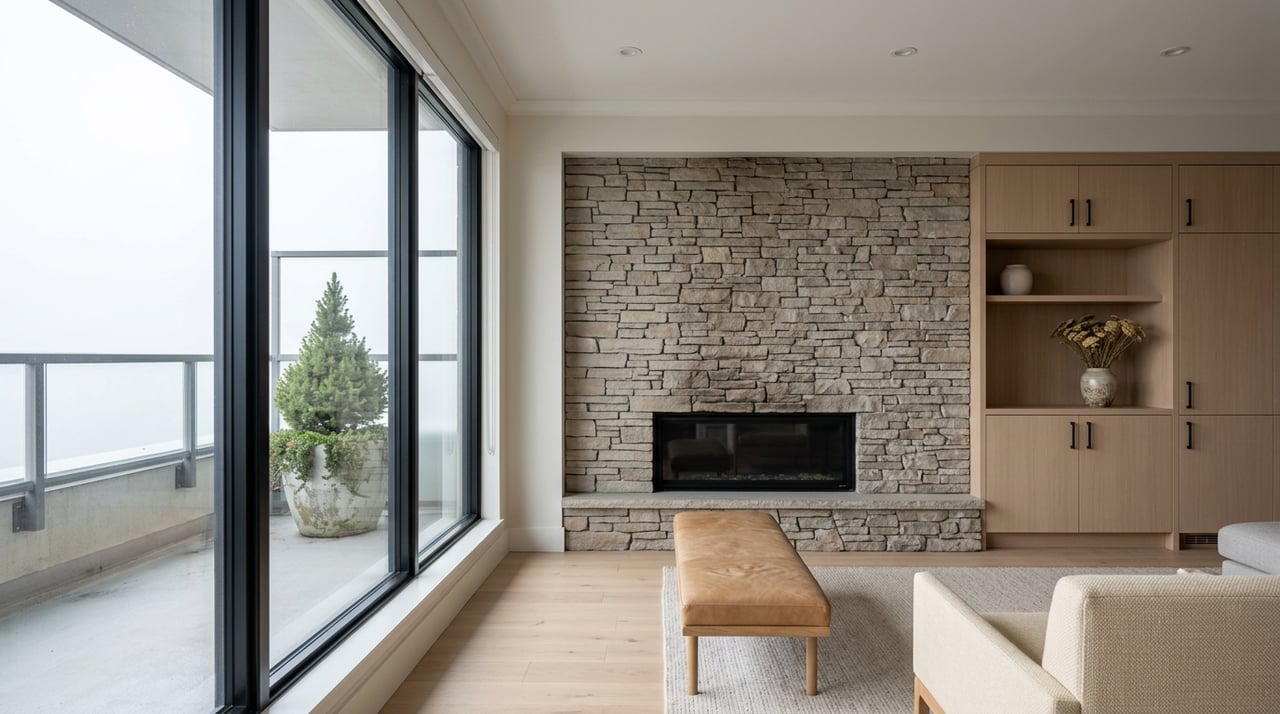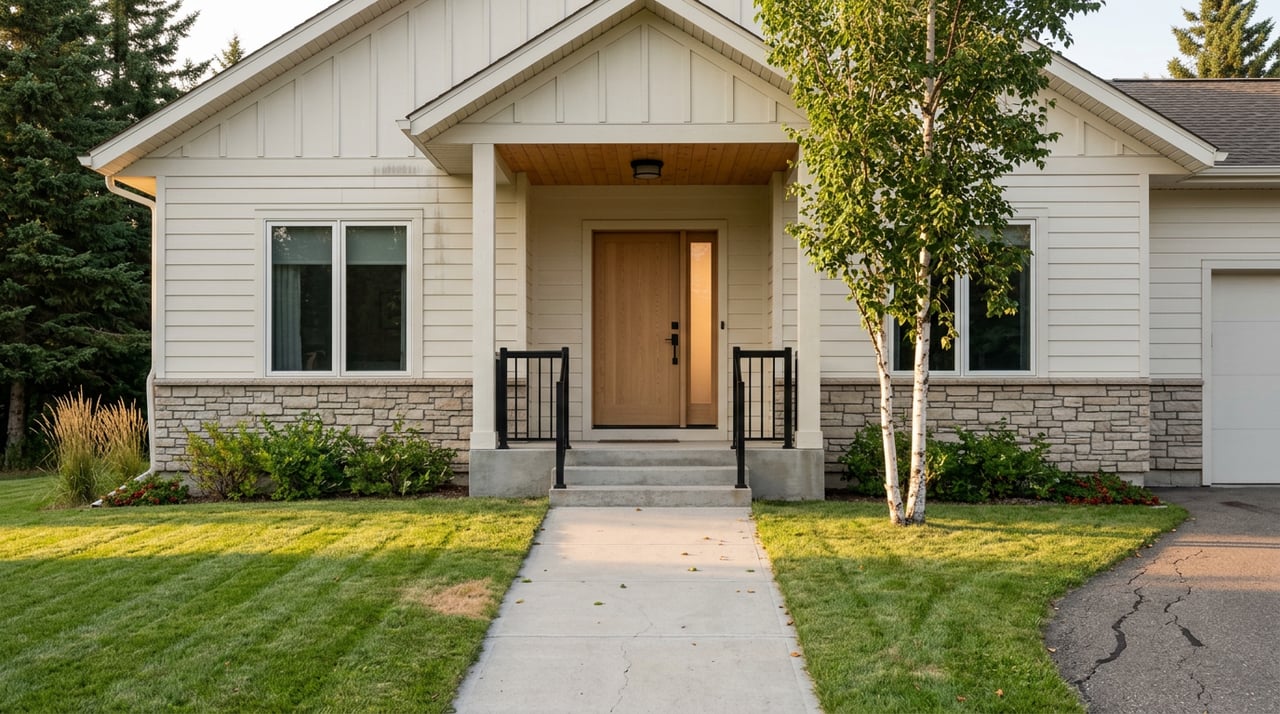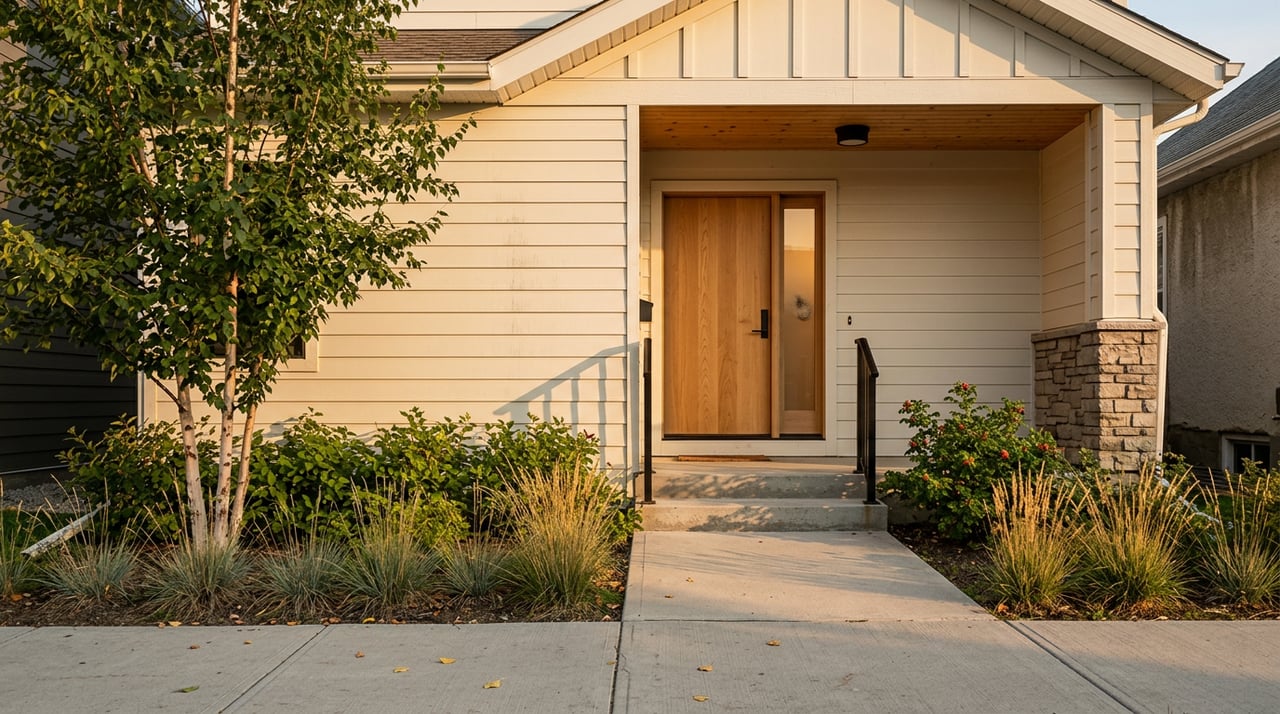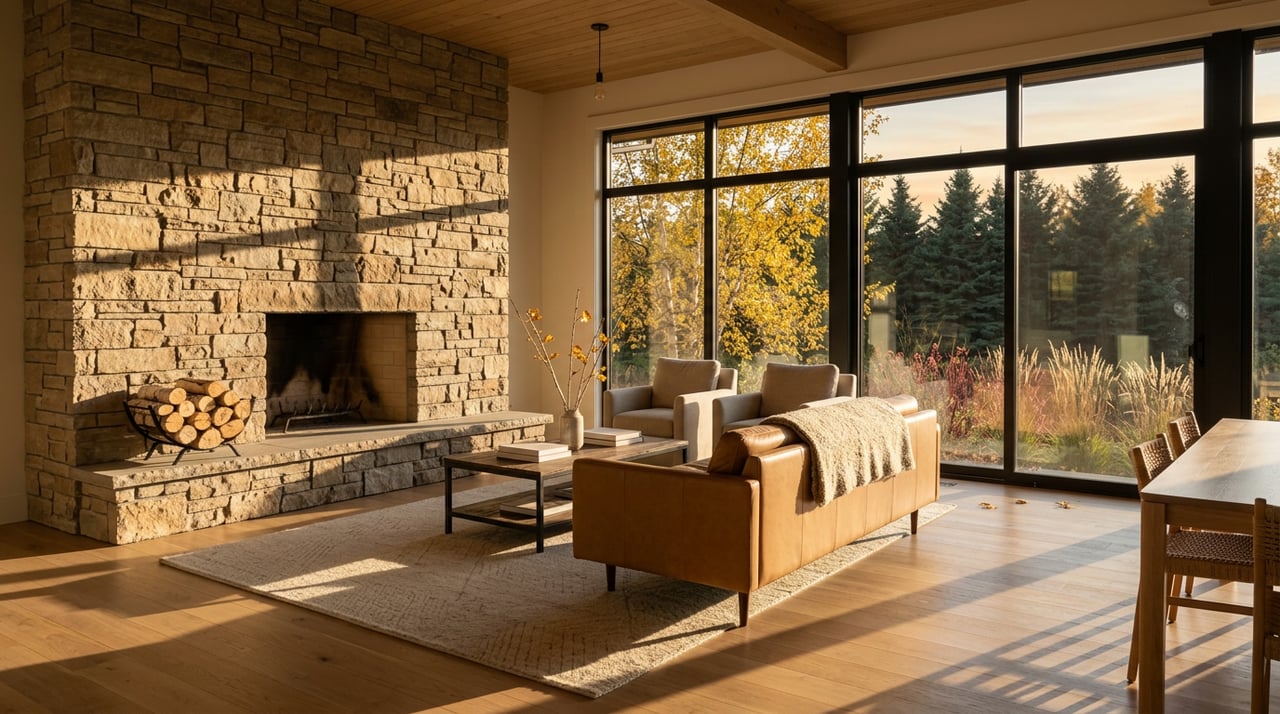
Picture two houses listed at $450,000. One sits off Business Boulevard in Eagle River. The other sits on the Anchorage Hillside. Same price, same square footage, same interest rate. A buyer running a mortgage calculator will get the same monthly payment estimate for both, because most calculators apply one flat property tax percentage to the whole municipality.
That estimate will be wrong for at least one of the two houses. Anchorage doesn't tax property at one rate. It taxes property through a base charge plus a stack of separate, named service areas that split cleanly at the Glenn Highway, and Eagle River sits on the opposite side of that split from almost everything a Bowl-based tax calculator assumes.
The Areawide Rate Is the Floor, Not the Bill
Every property in the Municipality of Anchorage pays a base Areawide General rate, which currently sits at 0.36 mills and funds the services state law or the municipal charter require to be uniform citywide: health and environmental protection, animal control, the library system, mass transit, emergency medical services, planning and zoning, and tax collection itself. That much is the same whether the deed says Eagle River or South Addition.
Everything layered on top of that floor is local. Road maintenance, fire protection, and parks and recreation are each funded through their own service area, and the municipality draws those boundaries separately for the Anchorage Bowl and for Chugiak-Eagle River. A home's actual tax bill depends on which side of each boundary it falls on, not on some single Anchorage-wide percentage.
Eagle River Runs Its Own Roads, Fire Department, and Parks Board
The clearest version of this split shows up in three services almost every buyer asks about.
| Service | Anchorage Bowl | Chugiak-Eagle River |
|---|---|---|
| Roads | Anchorage Roads and Drainage Service Area (ARDSA) | Chugiak, Birchwood, Eagle River Rural Road Service Area (CBERRRSA) |
| Fire protection | Anchorage Fire Service Area | Chugiak Fire Service Area |
| Parks and recreation | Anchorage Parks & Recreation Service Area, taxed at 0.67 mills under the municipality's 2026 general government tax levy ordinance | Eagle River-Chugiak Parks & Recreation Service Area |
These aren't administrative subcategories inside one shared fund. They're separate service areas with separate budgets, separate boards, and in the case of roads and parks, separate elected or appointed oversight. A dollar an Eagle River homeowner pays into CBERRRSA doesn't touch a Bowl street, and a dollar a Hillside homeowner pays into ARDSA doesn't touch Business Boulevard.
That's the structural reason two comparably priced homes can carry different effective tax rates even before anyone talks about school district levies or exemptions. It's not that one area is taxed more or less as a matter of policy. It's that each area is funding its own version of the same service, at whatever level its own budget requires that year.
The Boundary Isn't the Same for Every Vote
Where this gets genuinely useful for a buyer is realizing the boundary moves depending on what's being funded, and it doesn't always move the way geography would suggest.
Back in April, Anchorage residents considered a slate of general obligation bond propositions in the municipal election, and the ballot language spelled out exactly who would and wouldn't pay for each one. The proposed Anchorage School District capital improvement bond, worth up to roughly $79.5 million, would be repaid through taxes levied only within its own service area, with the ballot language stating plainly that the debt would come without cost to properties in Chugiak, Eagle River, Girdwood and other areas outside the service area. A parks and recreation bond on the same ballot carried the identical carve-out for the same three communities.
But a bond to upgrade the Anchorage Police Department's Elmore Station drew the line somewhere else entirely. That proposition exempted Girdwood, Bird, Indian, Rainbow, and Portage, but Eagle River and Chugiak were not on that exemption list, meaning Eagle River and Chugiak property owners would help fund a Bowl police facility upgrade that Turnagain Arm communities would not. Meanwhile, a separate proposition tied to the Chugach State Park Access Service Area exempted Chugiak, Eagle River, and Girdwood from its cost, even though Eagle River sits directly against the park's boundary. The service area that funds park access improvements apparently maps to a different set of trailheads than the ones nearest Eagle River itself.
The lesson isn't which specific bonds pass or fail. It's that "inside the service area" and "outside the service area" gets redrawn proposition by proposition, and a buyer comparing Eagle River to the Bowl on cost alone is comparing two moving targets, not two fixed numbers.
Eagle River Voters Decide Eagle River's Roads
The flip side of that structure is real local control, and it showed up clearly in April 2025, when Chugiak-Eagle River voters were asked directly whether to raise their own road service area's mill rate. The Chugiak, Birchwood, Eagle River Rural Road Service Area Mill Rate Adjustment Measure failed, 42.89 percent to 54.80 percent. Anchorage Bowl voters had no say in that outcome, because ARDSA's funding level is decided separately by whoever lives inside ARDSA's boundary. The reverse is equally true. Eagle River residents don't get a ballot line for Bowl road funding either.
For a buyer, that means the road budget attached to an Eagle River property is a number the immediate community sets for itself, year after year, at the ballot box or through the service area board. A Hillside buyer inherits a different funding conversation entirely, one where Eagle River and Chugiak residents are never asked to weigh in.
What This Actually Means When You're Comparing Two Houses
Put the pieces together and the trade a buyer is making between Eagle River and the Anchorage Bowl isn't just price against commute time. It's price against a genuinely different, locally governed cost structure.
On price, Eagle River continues to sit meaningfully below the Bowl's upper-tier submarkets. Recent 2026 market snapshots have put typical Eagle River single-family homes roughly between $380,000 and $500,000, depending on the exact window and whether the figure reflects list price or closed sales, while South Anchorage and Hillside properties commonly run from the mid $400,000s into the $700,000s and above. Eagle River has also continued to move quickly, with well-priced listings in the community regularly reported selling within one to five weeks depending on the source and season.
That price gap is real, but it isn't free. It comes bundled with a fire department, road system, and parks program that Eagle River residents fund and vote on themselves, separately from anything happening in the Bowl, and separately from how the Bowl funds the same three things for itself. When a bond goes to Anchorage voters, the community can end up on either side of the exemption line depending on which specific service area that bond attaches to, sometimes carrying a cost the Turnagain Arm communities don't, sometimes carrying none at all when the Bowl does.
For a buyer weighing both areas, the honest comparison isn't "which one costs less." It's "which cost structure do I want a say in." Eagle River residents get a direct vote on their own road and parks funding every time it comes up. Bowl residents get the same direct vote on theirs. Neither group votes on the other's.
A Couple of Questions Worth Asking Before You Write an Offer
Does living in Eagle River always mean a lower property tax bill than the Bowl? Not automatically. The base areawide rate is the same everywhere, and the service area mill rates on each side move independently based on that area's own budget and ballot outcomes. A specific Eagle River property's total mill rate should be checked against a specific Bowl property's, not assumed from the neighborhood name alone.
Could the CBERRRSA road mill rate go up in a future election even after the 2025 measure failed? Yes. Service area mill rate adjustments can come back to voters or to the service area board in future budget cycles. Anyone buying in Eagle River or Chugiak should treat the current road funding level as a snapshot, not a permanent number, the same way a Bowl buyer should watch ARDSA's budget cycle.
Comparing Eagle River to the Anchorage Bowl on a single price-per-square-foot number leaves out the part of the decision that actually shows up on a closing statement. If you're weighing a move between the two and want the tax and service area picture spelled out for the specific address you're considering, Bethany Weiser and the Mehner Weiser team can walk through it with you. We welcome you home. Schedule a consultation whenever you're ready to look at the real numbers, not the averaged ones.